Amazon delivery driver jobs have become a popular option for people seeking flexible work, consistent pay, and the chance to be part of a global company.
There’s plenty to consider, though—what’s involved, pay rates, and exactly what qualifications are necessary.
For anyone exploring new income opportunities, this guide aims to break down every aspect in a way that feels realistic, not just a sales pitch.
What Does an Amazon Delivery Driver Do?
An Amazon delivery driver , sometimes called an Amazon Flex driver or a Delivery Service Partner (DSP) courier, plays a crucial role in getting packages from local facilities to customers’ doorsteps.
Drivers have a mix of routes in all kinds of neighborhoods, handling everything from small parcels to those odd-shaped boxes people sometimes forget they ordered.
It might seem straightforward, but the job’s rhythm can shift day by day—depending on volume, traffic, and even the weather.
Types of Amazon Delivery Opportunities
Not all Amazon driver jobs fit into one model. Some folks drive their personal cars through Amazon Flex. Others operate larger company-branded vans with a contracted DSP business. A quick look at the differences:
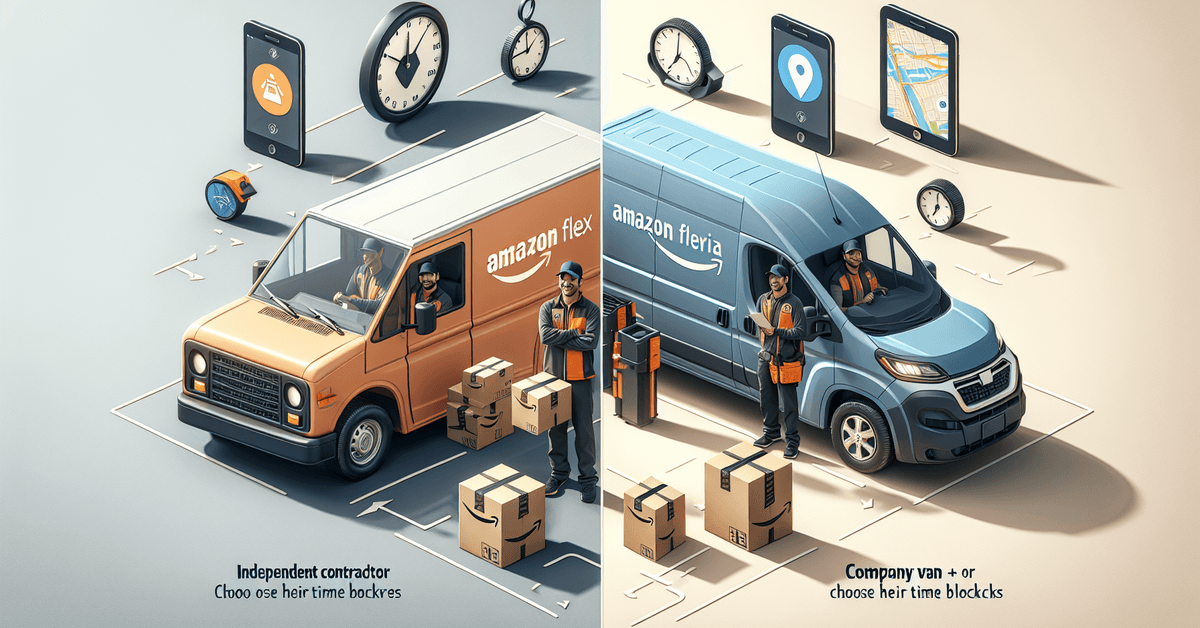
Amazon Flex (Independent Contractors)
- Use your own vehicle, typically mid-sized sedan or larger
- Choose your preferred time blocks ahead of time
- Get paid per delivery block, not per hour
Delivery Service Partner (DSP) Employee
- Work for a local business contracted with Amazon
- Drive Amazon-branded vans, usually full-time or part-time shifts
- Employee status, so pay and benefits are determined by that DSP
This structure actually lets people pick what works best for their schedules and goals, which is rare. It isn’t always easy deciding which is a better fit—gig flexibility versus steady employment has its own trade-offs.
How Much Does an Amazon Delivery Driver Earn?
Salary is usually the biggest question. Pay varies based on the model and even the location. Real-world rates (as of early 2025) are:
- Amazon Flex drivers: Typically report making $18–$25 per hour, depending on region and demand.
- DSP employees: Averages hover around $18 to $21 per hour, with some region-specific bonuses.
It’s important to remember, Flex drivers cover fuel, maintenance, and sometimes insurance out of pocket, which can lower true earnings. DSP drivers receive a W-2 paycheck, and may receive some employee benefits like health insurance, paid time off, or overtime. How significant those perks are probably depends on personal needs—I’ve heard some drivers say the difference in benefits can matter more than the hourly amount in the long run.
| Role | Average Pay | Perks |
|---|---|---|
| Amazon Flex | $18–$25/hour | Set own schedule; covers vehicle costs |
| DSP Employee | $18–$21/hour | Possible health benefits; company vehicle |
Basic Requirements to Become an Amazon Delivery Driver
The qualifications for Amazon driver jobs are relatively straightforward—not too high a barrier to entry, but not just a free ticket either. Requirements typically include:
- Minimum age of 21 years for most DSP positions (18+ for some Flex areas)
- Valid driver’s license (for at least one year in most states)
- Reliable, insured vehicle (if using Flex program)
- Smartphone compatible with the Amazon Flex or DSP delivery app
- Ability to lift and carry packages, sometimes up to 50 lbs
- Background check—Amazon checks for criminal records and driving incidents
On paper, this means most adults can qualify. However, Amazon tends to particularly value punctuality, attention to detail, and basic tech familiarity. I’ve seen some friends breeze through the process, while others got tripped up by small paperwork details. It’s rarely predictable, which is a little frustrating.
Step-by-Step: How to Apply
The application process differs by job type. Here’s a quick outline of the steps for each:
For Amazon Flex:
- Visit the Amazon Flex website
- Check if your city/region is currently hiring
- Download the Amazon Flex app and start your application
- Verify ID, upload driver’s license, and provide basic info
- Complete background check authorization
- Register your vehicle and insurance info
- If accepted, choose delivery blocks and begin onboarding
For DSP Jobs:
- Go to the Amazon DSP jobs portal
- Enter your zip code for open positions nearby
- Fill out an application on the chosen DSP’s website
- Prepare for a possible interview (mostly basic questions about driving and route logistics)
- Background and drug check, as required by local law
- Employer provides company van and equipment upon hiring
Depending on region, some steps can happen surprisingly quickly; in other places, there are long waits for background results. The waiting can feel endless at times, but others say it all goes faster than they expect. If there’s one tip, it’s to check your emails and notifications often throughout the process.
Pros and Cons of Amazon Delivery Driver Jobs
Working as an Amazon delivery driver isn’t going to suit everyone. Some people thrive on the autonomy and active work. Others find it repetitive or physically draining—especially on busy days in bad weather.
Advantages
- Flexible scheduling (especially with Flex)
- Predictable pay cycle
- Minimal required qualifications to start
- Active workday versus office environments
Challenges
- Physical demands (lifting, walking, occasional stairs)
- Personal vehicle wear and tear for Flex drivers
- Pressure to deliver on time, especially during peak seasons
- Unpredictable route volume or traffic delays
Some days may run smoother than others—that’s probably true of most jobs, but if you’re the sort that likes moving and doesn’t mind a bit of unpredictability, these roles can feel rewarding in a unique way.
Key Skills for Success as an Amazon Driver
- Time management: Staying on schedule makes a huge difference.
- Navigation: Comfort with GPS apps (Waze, Google Maps), plus the ability to make decisions when a GPS is wrong—happens a lot, honestly.
- Communication: For resolving delivery questions and rare customer concerns.
- Attention to safety: From basic driving, to more subtle things like package handling and walking on icy steps.
It’s less about formal training and more about smart habits and good judgment. There are rare moments of real customer interaction, which can actually make a workday feel slightly more connected—though, of course, many days are all about just getting the job done efficiently.
Amazon Delivery Driver FAQ
What hours do Amazon delivery drivers work?
Flex drivers choose delivery time blocks in advance (mornings, afternoons, evenings). DSP drivers usually have fixed shifts set by their employer. Peak seasons—Prime Day, winter holidays—mean more shift opportunities, but also busier routes.
Are there advancement opportunities?
Some DSP employees move up to lead driver or dispatcher roles. There aren’t formal promotion tracks in Amazon Flex; it’s designed for gig work, not career advancement. Still, people sometimes use the experience to qualify for other jobs.
Is the work safe?
Amazon provides guidance on safe package handling and delivery procedures. Still, as with any driving job, local road and weather conditions play a big factor. There are occasional safety concerns, but most drivers describe it as reasonably safe with standard precautions.
Related Guides on Flexible Work
- Gig Economy: Best Side Jobs for Extra Income
- Food Delivery Driver Guide: Pay and App Comparison
Conclusion: Is Amazon Delivery Driving Right for You?
Amazon delivery jobs offer a practical way to earn money, with options that suit both gig seekers and those wanting steadier employment. The work isn’t perfect—some may find it tiresome or fast-paced, while others enjoy the independence and physical movement.
For anyone considering this path, it helps to weigh the pay, personal preferences, and physical demands. Checking the official Amazon jobs page or reading real driver stories can provide more clarity before jumping in.
If flexible schedules and straightforward entry appeal to you, delivery driving with Amazon is worth consideration. There’s no one-size-fits-all answer—but there rarely is, honestly—so exploring your options in detail could be a good next step.