
Side hustles are always evolving, but Amazon Flex remains a popular choice for those looking for flexible work and direct income.
This guide aims to explain how Amazon Flex operates and what it’s really like to partner with Amazon as an independent delivery driver.
Whether readers are exploring the gig economy for extra income or simply curious about logistics work, this overview highlights the essentials to make an informed decision.
What is Amazon Flex and How Does It Work?
Amazon Flex is a delivery program where independent contractors use their own vehicles to deliver Amazon packages.
Drivers schedule their own shifts, called “blocks,” typically ranging from 3 to 6 hours. Over the past few years, it’s become a way for many to earn additional income alongside regular jobs or studies.
Key Benefits of Working with Amazon Flex
There are a few distinct benefits to choosing Amazon Flex as your delivery gig, beyond just the earnings. Here are some highlights that many drivers mention:
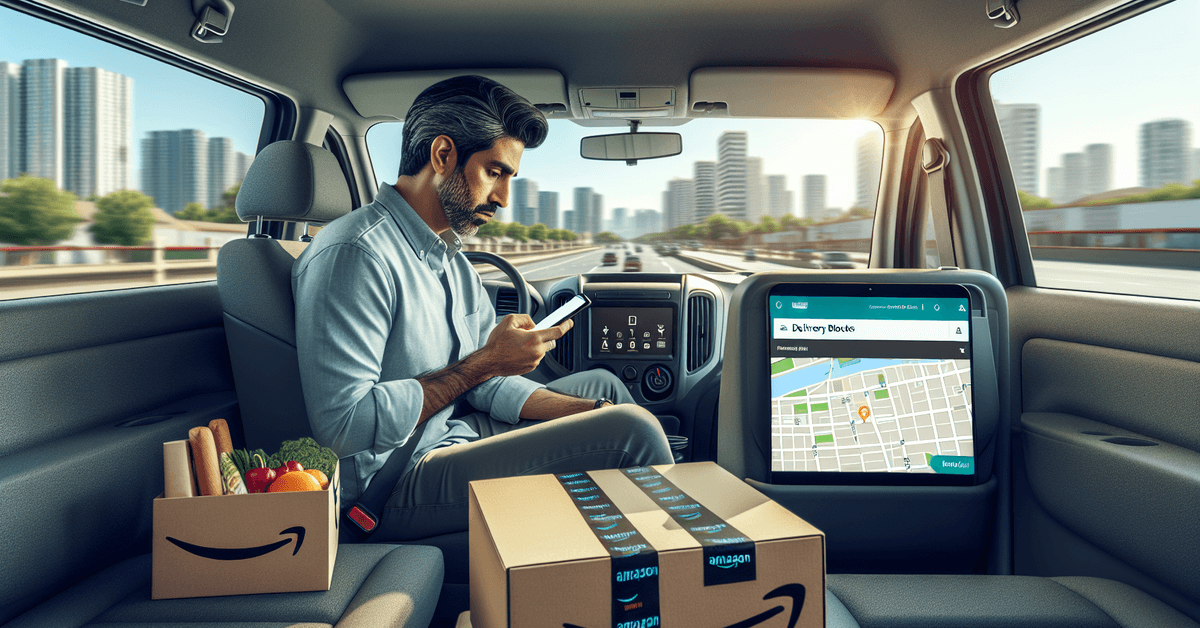
Schedule Flexibility
The app lets drivers pick when they want to work. Some people enjoy short morning stints, while others grab longer evening blocks. This flexibility suits parents, students, and those already juggling other jobs.
Transparent Earnings
Amazon Flex outlines estimated pay before drivers accept any delivery blocks. This makes it a bit easier to estimate what a day’s effort might bring, although actual mileage and tips could slightly affect totals. Typical pay rates fall between $18–$25 per hour in the US, although this varies by region.

Minimal Commitments
There’s no requirement to work set days or hours. Drivers can pause the app without penalties, which is comforting for anyone dealing with variable schedules or life events.
Requirements and Eligibility for Amazon Flex
Certain requirements come into play, and these may shift depending on location. Generally, applicants need:
- A valid driver’s license
- To be at least 21 years old
- Access to a reliable vehicle (mid-sized sedan or larger recommended for package delivery)
- Smartphone (Android or iOS with the Amazon Flex app)
- Social Security Number or Tax ID for background checks
It’s worth checking Amazon’s official Flex website for location-specific details, as eligibility may change or applications can close in certain regions due to high demand.
How to Set Up and Start with Amazon Flex
The onboarding process is relatively straightforward, but some users mention slight delays or confusion during background checks. Here’s the basic pathway:
- Download the Amazon Flex app from the official source (flex.amazon.com).
- Create an account and fill in personal details.
- Submit required documents and pass a background screening.
- Choose preferred delivery area and available time blocks.
- Watch a brief training video within the app.
Some people report onboarding can take as little as a week, but it sometimes takes longer depending on local demand and background check processing.
Types of Delivery Opportunities on Amazon Flex
The main types of Flex delivery routes include:
- Amazon.com Packages – Standard parcel deliveries from Amazon fulfillment centers to customers’ homes.
- Prime Now – Fast, two-hour grocery or household deliveries (where available).
- Amazon Fresh – Grocery orders, requiring care with food handling.
- Store Orders – Picking up from local stores participating in the Amazon delivery ecosystem.
Delivery availability varies by city. Some drivers mention that Prime Now and Fresh routes feel a bit different, with special handling for cold or fragile items. Being open to a mix of delivery types may help maximize earnings.
Understanding Pay: What Can Drivers Really Earn?
Amazon Flex pay is calculated per delivery block, not hourly. Block payments are revealed up front, but final totals may change with customer tips (especially on Prime Now or Fresh deliveries). Here’s a simple look at possible earnings:
| Delivery Type | Estimated Pay / Block | Block Length |
|---|---|---|
| Amazon.com Packages | $60 – $120 | 3–6 hrs |
| Prime Now / Amazon Fresh | $54 – $110 (+ tips) | 2–4 hrs |
It’s important to note, net earnings depend on vehicle costs, fuel, traffic, and actual delivery distance. Some drivers, after accounting for deductions, report making closer to $16–$21 per hour, particularly in urban areas.
Practical Tips for Success with Amazon Flex
Several users share insights from their experience that might help newcomers:
- Monitor the app frequently for block releases, especially during peak demand (holidays, evenings, weekends).
- Having a phone mount and portable charger is usually a lifesaver.
- Keeping extra bags or baskets can help organize packages in the car.
- It’s wise to review local parking rules, as tickets can quickly eat into earnings.
- Consider mileage-tracking apps for tax deductions, since drivers are independent contractors responsible for their own expenses.
Challenges and Realities to Consider
While many people find Flex an ideal side income, others point out a few common challenges:
Unpredictable Block Availability
Some areas regularly have high competition for delivery slots, which can make earnings less reliable than hoped. Refreshing the app and picking less popular blocks can help, but there’s no guaranteed income each week.
Vehicle Wear and Tear
Frequent stopping, heavy loads, and city driving may lead to increased maintenance over time. Factoring for oil changes, tires, and depreciation matters when calculating net profit.
Handling Customer Issues
Occasionally, you may encounter tough delivery locations or missing package complaints. Amazon provides driver support, but solutions aren’t always instant—a point worth weighing for those seeking totally stress-free work.
Legal, Tax, and Insurance Considerations
Amazon Flex drivers operate as independent contractors. This has implications for tax filing, insurance, and legal responsibility. A few practical points:
- Income from Flex must be reported; setting aside tax money is helpful.
- Some insurance policies may not cover commercial use—drivers often recommend calling providers to double-check coverage.
- Amazon offers basic insurance while on active deliveries, but it’s not full business coverage.
- Keeping receipts and detailed expense logs might streamline tax season.
Those interested in a deeper dive into taxes for gig work may wish to see our guide on tax tips for gig workers .
Resources and Official Information
The Amazon Flex official page is the best source for up-to-date eligibility requirements and active cities. Forums on Reddit or Glassdoor also share personal stories, but always compare these with Amazon’s official rules and updates.
Frequently Asked Questions About Amazon Flex
- Is Amazon Flex available everywhere? No, it’s only offered in certain cities and availability can change. The app or website lists active regions.
- Do I have to deliver every week? No, there’s no minimum. Some don’t deliver for weeks between blocks.
- Can you combine Amazon Flex with other delivery gigs? Yes, and some drivers also work with apps like Uber Eats or DoorDash.
Conclusion: Is Amazon Flex Worth Considering?
For someone seeking a low-barrier, flexible way to earn, Amazon Flex provides an accessible entry point. It’s not a traditional job, and it’s wise to consider true take-home pay after expenses. Still, the appeal of managing one’s own schedule and choosing when to work attracts many to give it a try.
Perhaps the best advice is to occasionally review your goals—whether earning a little extra, exploring the gig economy, or seeking total flexibility—Amazon Flex could fit, or it might lead you to explore other options too. Readers interested in similar flexible roles might like our article on flexible work ideas .