For many, the opportunities at Amazon’s expanding network of fulfillment centers remain an appealing way to secure stable work with growth possibilities.
Navigating the process in 2026, though, presents a few fresh questions and trends for job seekers to consider. This guide explores the essentials for those looking to join the workforce at an Amazon warehouse —from application steps to schedules, work demands, and a realistic look at what to expect.
Whether you value consistent hours, decent benefits, or are considering a second income stream, these roles can be worth evaluating.
Why Amazon Warehouse Jobs Remain Popular in 2026
Amazon’s reputation for offering large-scale employment draws interest for several reasons. It’s not just about pay, though that matters.
In 2026, warehouse jobs at Amazon are known for solid starting wages, structured training, and sometimes generous bonuses or shift differentials.
The sheer range of positions—pickers, packers, forklift operators, and more—means there’s a fair amount of fit for different skills and physical capacities.
Competitive Pay and Benefits
Wages continue to trend slightly upward. Base rates now typically exceed many local minimums. Health insurance, paid time off, and tuition support may also come bundled, depending on role and location.
While the benefits package can sometimes vary, many find the hourly rate and extras quite appealing, especially compared to other entry-level jobs.
Growth Opportunities and Internal Mobility
One consistent draw is Amazon’s culture of promoting from within. Workers who meet targets and pass training often have access to programs like “Career Choice” or leadership tracks.
It’s not everyone’s path, but it’s there. This isn’t always a guarantee, yet sometimes the career stories within the company are impressive—even starting in entry-level warehouse roles.
Work-Life Flexibility
Shifts are diverse, from nights to weekends and even part-time slots. Some facilities operate on a 24/7 basis, allowing candidates to shape their schedule to a degree.
Not every facility offers the same flexibility, so researching your targeted location in advance helps set expectations.
Understanding the Roles – What Does Amazon Warehouse Work Involve?
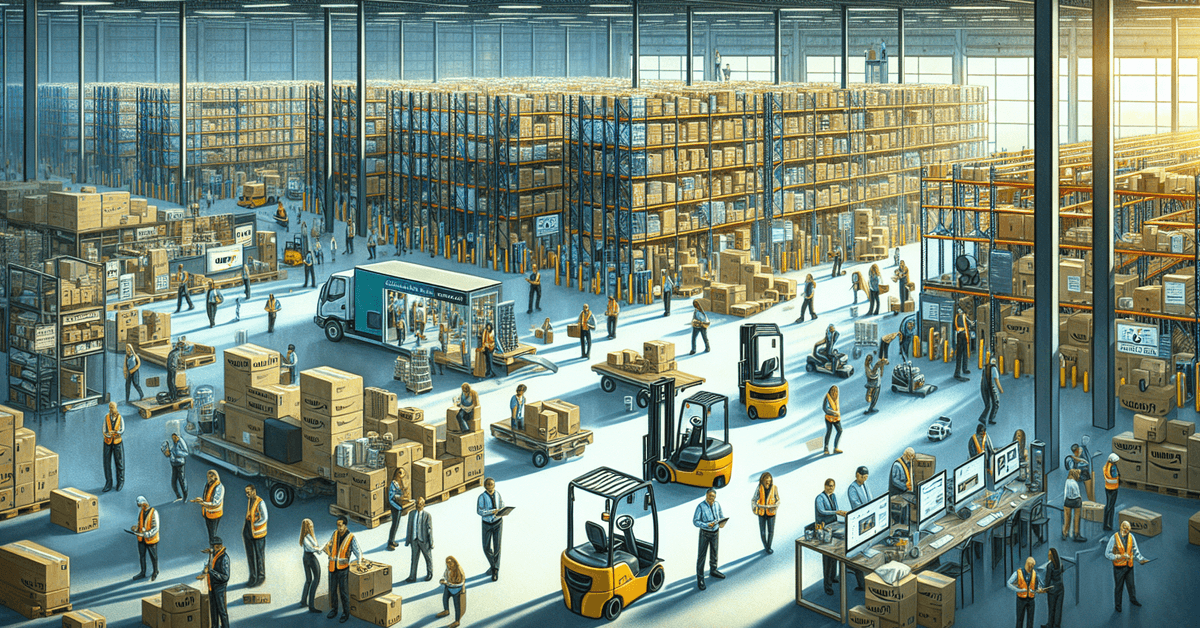
Warehouse jobs at Amazon revolve around processing orders, shipments, and ensuring speedy delivery. Duties can vary by center type (fulfillment, sortation, delivery hubs).
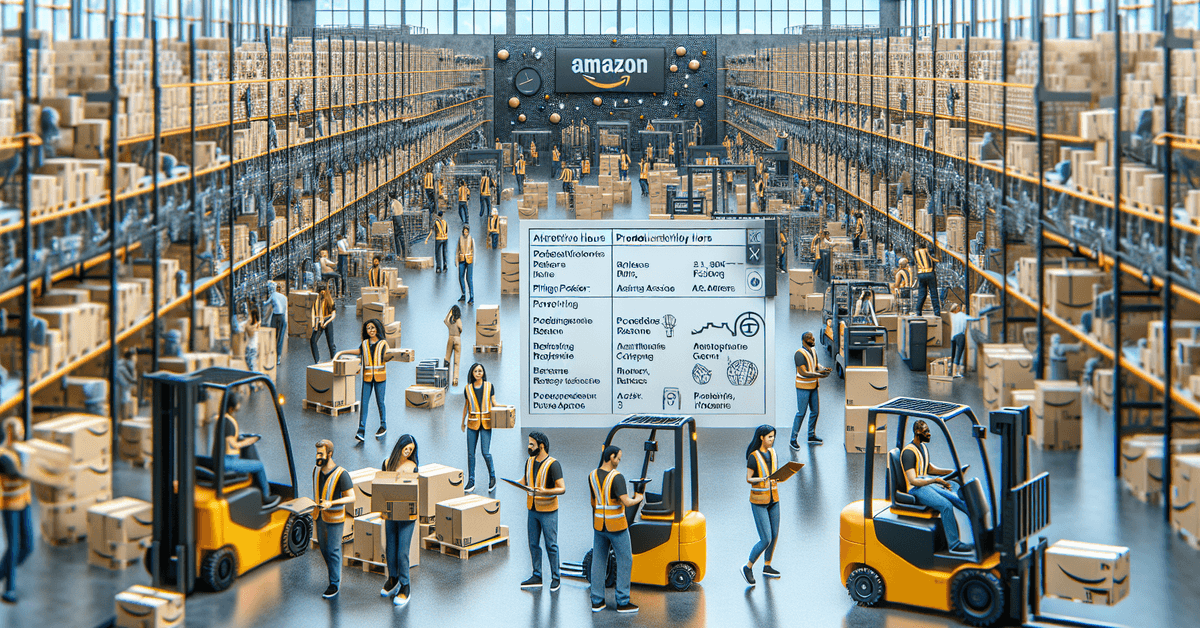
Most commonly, you’ll see positions such as picker or packer, responsible for selecting, packaging, or moving items through the facility.
Day-to-Day Tasks
- Picking: Locating items for outgoing orders using scanners or handheld devices.
- Packing: Safely preparing orders for shipping, often at conveyor belts.
- Stowing: Placing incoming products in storage bins or shelves.
- Receiving: Unloading shipments and verifying incoming items.
- Problem solving: Occasionally handling inventory discrepancies.
The pace can be brisk, with targets and quotas often monitored. Breaks, safety protocols, and routine checks help reduce monotony, but the role does involve repetition—something to weigh if you’re energy-conscious.
Table: Common Amazon Warehouse Positions in 2026
| Position | Primary Duties | Skills Needed |
|---|---|---|
| Picker/Packer | Order selection & packing | Attention to detail, stamina |
| Receiving Associate | Unload & check inventory | Basic math, organization |
| Stower | Store products efficiently | Speed, spatial awareness |
| Forklift Operator | Move pallets or heavy goods | Certification, safety focus |
How to Apply for Amazon Warehouse Jobs in 2026
Applying, in theory, is straightforward. Most potential hires will visit the Amazon Jobs website or local job boards to find postings. The process has become more digital-first over the years, with virtual assessments, online submissions, and scheduling being done largely online.
Preparing for the Application
While a resume isn’t always necessary for warehouse roles, having information ready—employment dates, references, and contact details—helps. Some applicants feel nervous about the background check or drug screening, both of which are standard.
Assessment and Onboarding
Applicants often complete an online quiz with situational and work-style questions. If progressing, facilities may invite you for an orientation, where identification, proof of eligibility to work, and (sometimes) a physical assessment are required.
Information isn’t always processed as quickly as one would hope, but patience pays off. If offered a spot, onboarding covers everything from paperwork to safety standards and first-day expectations.
Pros and Cons: Is an Amazon Warehouse Job Right for You?
Like any job, warehouse work has a mix of upsides and challenges. For some, the steady pay and clear path to benefits outweigh the routine or physical intensity. For others, expectations clash with reality—long shifts aren’t for everyone, and the work can be physically demanding.
Benefits Overview
- Competitive hourly pay
- Access to overtime and bonuses
- Health, dental, and vision insurance after a qualifying period
- 401(k) plans with company match (check specifics)
- Education reimbursement and advancement opportunities
The level of benefits and eligibility may depend on employment status (full-time or part-time), so confirming at interview or with HR is sensible.
Challenges to Consider
- Physically intense, with lots of walking and lifting
- Systems carefully track productivity—quotas matter
- Shift times may be unconventional (nights, weekends)
- Standing for long periods, repetitive tasks
Individuals with prior warehouse or retail experience sometimes adjust faster. However, not everyone finds it sustainable long-term—this can depend on many personal factors, including age, health, or lifestyle preferences.
Tips for Success During the Hiring Process
A few basic preparations can help applicants stand out. For example, reading up on Amazon’s workplace values or brushing up on safe lifting techniques might not be required, but they can help during orientation or assessments.
Reviewing the shift schedule and commute times also minimizes future surprises. Anecdotally, some new hires report that comfortable footwear and hydration matter more than they expected in those first few weeks.
Experience varies, though, so collecting feedback from recent employees in your area may be valuable. Websites like Glassdoor or Indeed can provide extra insight.
Legal, Safety, and Compliance Factors
Compliance with local labor and safety laws is a cornerstone at Amazon. Facilities adhere to OSHA protocols, offer PPE, and conduct regular safety briefings. However, experiences regarding workplace environment and support differ from site to site, partly based on location management styles. If you have restrictions or past injuries, discussing accommodations in advance is reasonable.
Background Checks and Eligibility
Standard background screenings check for identity, criminal history, and eligibility to work in the country. Drug screening remains common. While some applicants feel anxious about this stage, most find it streamlined and respectful of privacy. Amazon is generally open to candid questions about eligibility during recruiting events or phone screens.
Alternative Warehouse Jobs and Internal Career Paths
Those who find the warehouse floor isn’t for them have occasionally moved into areas like delivery driving, inventory management, or even remote customer service.
Continuing education, certifications (like forklift or equipment operation), and experience can sometimes open doors to roles with less physical labor or more supervisory duties.
Internal job boards, mentorship, and career planning resources exist inside Amazon, providing a sense of security for those hoping for more than an entry job over time. Exploring paths outside Amazon, such as with FedEx or Walmart, is also a nearby option for similar work environments.
Frequently Asked Questions (FAQ)
- Is experience required? Usually not. Most roles are entry-level, although some equipment positions may need certification.
- How quickly can I start? Timelines range from a few days (for virtual hiring events) to a couple of weeks.
- What about schedules? Full-time, part-time, and seasonal roles exist, but not all are always available in every warehouse.
- Are there union jobs? This varies and may change with evolving labor discussions, so it’s wise to check at your target site.
Visual and Reader Engagement Suggestions
Including a photo gallery of typical warehouse stations, a sample schedule graphic, or testimonials from current employees could make this article even more meaningful. A frequently updated pay-comparison chart also helps visitors make informed decisions.
Conclusion and Next Steps
Amazon warehouse jobs in 2026 offer stable, entry-level routes into the workforce with learning opportunities and competitive compensation.
While demanding, many find the predictability and benefits worthwhile, especially for short-term goals or career-building moves.
More guidance on flexible work paths or comparisons with similar employers could provide a broader perspective for those exploring their best-fit opportunity.
For further insight into logistics careers and other flexible work options, browsing our internal guides such as flexible part-time jobs or warehouse job comparisons may offer greater clarity for your unique circumstances.